Transform Your Property: Vital Details On Residential Improvement Projects for Every Homeowner
Many householders want to find options to upgrade their homes by using renovation services. Such undertakings may vary starting with kitchen improvements to full house remodeling. Understanding the options available is necessary to deciding wisely. Additionally, there are practical considerations including financial planning and contractor selection. When property owners embark on this process, they might encounter surprising obstacles. The key to a successful transformation lies in thorough design and implementation. Which actions should follow?
Understanding the Different Types of Home Remodeling Services
/1653%20S%2049th%20St-5.jpg?width=1280&height=853&name=1653%20S%2049th%20St-5.jpg)
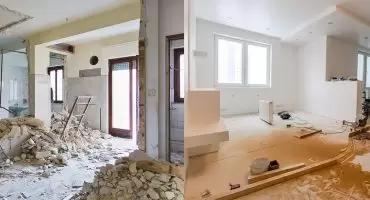
As householders look to improve their residences, they frequently come across many different types of services tailored to different needs and preferences. These options can be widely classified into a few distinct groups, each addressing specific aspects of residential enhancement. Kitchen remodeling focuses on modernizing fixtures, storage units, and the design to enhance functionality and visual appeal. Bathroom remodeling typically involves upgrading fixtures, the ceramic work, and organizational units for greater ease and design.
Full-house renovation covers significant changes throughout the residence, frequently involving changing the structure to maximize the area and layout. Outdoor renovation projects, on the other hand, concentrate on enhancing curb appeal, dealing with the cladding, roofing, and the garden design. Additionally, specialized services including converting the cellar and upgrading the attic enable property owners to utilize fully neglected parts of the home. Each type of remodeling service delivers specific perks, enabling homeowners to choose options that align with their vision for their living environment. Understanding these distinctions is crucial to making informed decisions during the renovation process.
Setting a Realistic Budget for Your Remodeling Project
What steps ensure their home upgrades are kept within budget? Developing an achievable budget is necessary. Property owners must start by evaluating their financial capacity, like savings and available loan choices. This initial step helps establish the amount that can be set aside for the renovation while maintaining other fiscal obligations.
Next, homeowners must look into the financial requirements of their intended changes, including materials, labor, and surprise expenses that tend to crop up. Creating a detailed list of priorities helps with separating necessities from non-essential items, making it possible to adjust if funds become limited.
It is prudent to set aside an emergency fund, typically around data 10-20% of the total budget, to handle unforeseen expenses. Periodically examining and tweaking the budget throughout the remodeling process can further assist in keeping finances in check. In the end, a carefully structured budget does more than just confirm the project can be done and makes the whole updating experience better for homeowners.
Choosing the Right Contractor for Your Requirements.
Selecting the right contractor can greatly impact how well a renovation turns out. Homeowners should begin by performing extensive investigation, looking for suggestions from acquaintances, relatives, or web feedback. It’s vital to verify credentials, including licenses, insurance, and bonding, to confirm legitimacy.
After suitable professionals have been found, they should seek detailed cost breakdowns and timeframes, facilitating well-grounded side-by-side evaluations. Meeting with them offers a look at their manner of communicating and their professional conduct, which are crucial for working together effectively.
Additionally, reviewing past projects through portfolios or references demonstrates the professional's skill level. It is wise to question them regarding warranties or safeguards, reflecting the contractor's confidence in their work.
In the end, choosing a professional who matches the homeowner's goals, finances, and schedule fosters a more positive remodeling experience, guaranteeing that the project meets expectations and transforms the living space effectively.
Planning and Designing The Space You Envision.
When property owners picture their perfect areas, thorough preparation and well-considered layout are crucial elements of an effective updating job. The first step involves evaluating current needs and future aspirations, to gain a complete comprehension of the area's utility. It is important for homeowners to weigh practicality, visual appeal, and personal style, to guarantee the design showcases their distinctive choices.
Following this, developing a comprehensive budget is essential. This budget should accommodate materials, workforce costs, and potential unforeseen expenses. Consulting with design experts can provide valuable insights, helping to optimize the space and respecting budgetary constraints.
Integrating components like natural light, spacious designs, and eco-friendly supplies can improve the final result. Lastly, visualizing the project through drawings or computer models can assist in finalizing plans prior to construction. By approaching the planning and design phase with intention, homeowners can design a welcoming, practical area suited to their way of life.
Understanding Regulations and Permits in Residential Projects
Grasping the intricacies of permits and rules can be intimidating for homeowners embarking on a renovation. Each municipality has specific rules that govern what can be done during renovations, often influenced by area restrictions, building codes, and security requirements. Homeowners must familiarize themselves with local regulations to avoid costly fines or project delays.
Generally, securing permits is essential for substantial modifications, such as modifying load-bearing elements or new wiring installations. This process usually necessitates providing designs for examination and may require inspections at multiple points.
Working with a skilled professional can streamline these steps, as they are often familiar with local codes and can aid in filing necessary forms. Homeowners should also keep communication open with local building departments to ensure adherence throughout the project. By comprehending and working within these rules, homeowners can fulfill their improvement aims and maintaining compliance with the law in their renovations.
FAQs
How Long Does a Typical Home Remodeling Project Take?
A standard home renovation generally requires between three to six months, based on the size of the job, size of the home, and availability of materials. Intricate jobs could demand more time for completion.
What's the best way to avoid common mistakes that people make throughout the renovation process?
Common mistakes in the remodeling process often involve failing to budget properly, ignoring necessary permits, missing scheduled deadlines, failing to communicate effectively with the construction team, and not considering long-term functionality. Understanding these dangers can lead to a more efficient, more positive renovation outcome.
How do I choose the appropriate materials for my project?
Picking the best materials requires assessing their resilience, visual appeal, and financial limits. Looking into different products, talking to specialists, and thinking about upkeep will significantly help to make smart choices, to guarantee the project fits your functional and aesthetic goals.
Is it possible to stay in my house during renovations?
It is possible to remain in their home during renovations, but it may lead to inconvenience. Detailed organization, effective coordination with the renovation team, and designating specific areas for daily use can lessen the stress throughout the project.
What guarantees should I look for from the renovation company?
You should anticipate receiving warranties that guarantee the quality of the work, the supplies used, and structural components, often covering a period of one to ten years. You must carefully check the fine print and details in partnership with the renovation company to understand coverage and limitations fully.
Comments on “Value-Adding Finishing Touches Today's Market”